
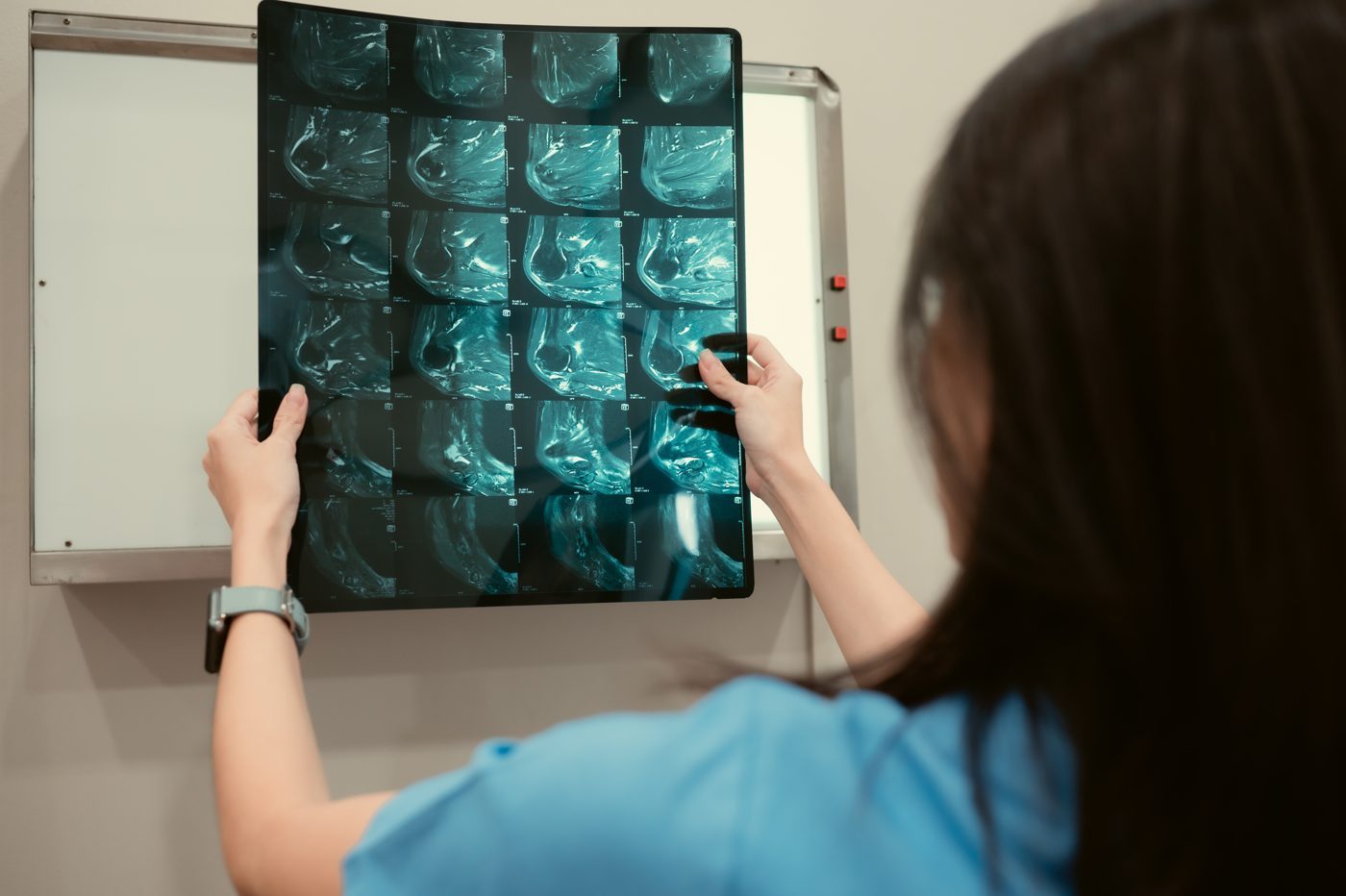
Everything you need for diagnostic imaging, close to home
Choose a service to learn what it is, what it is used for and what to expect.
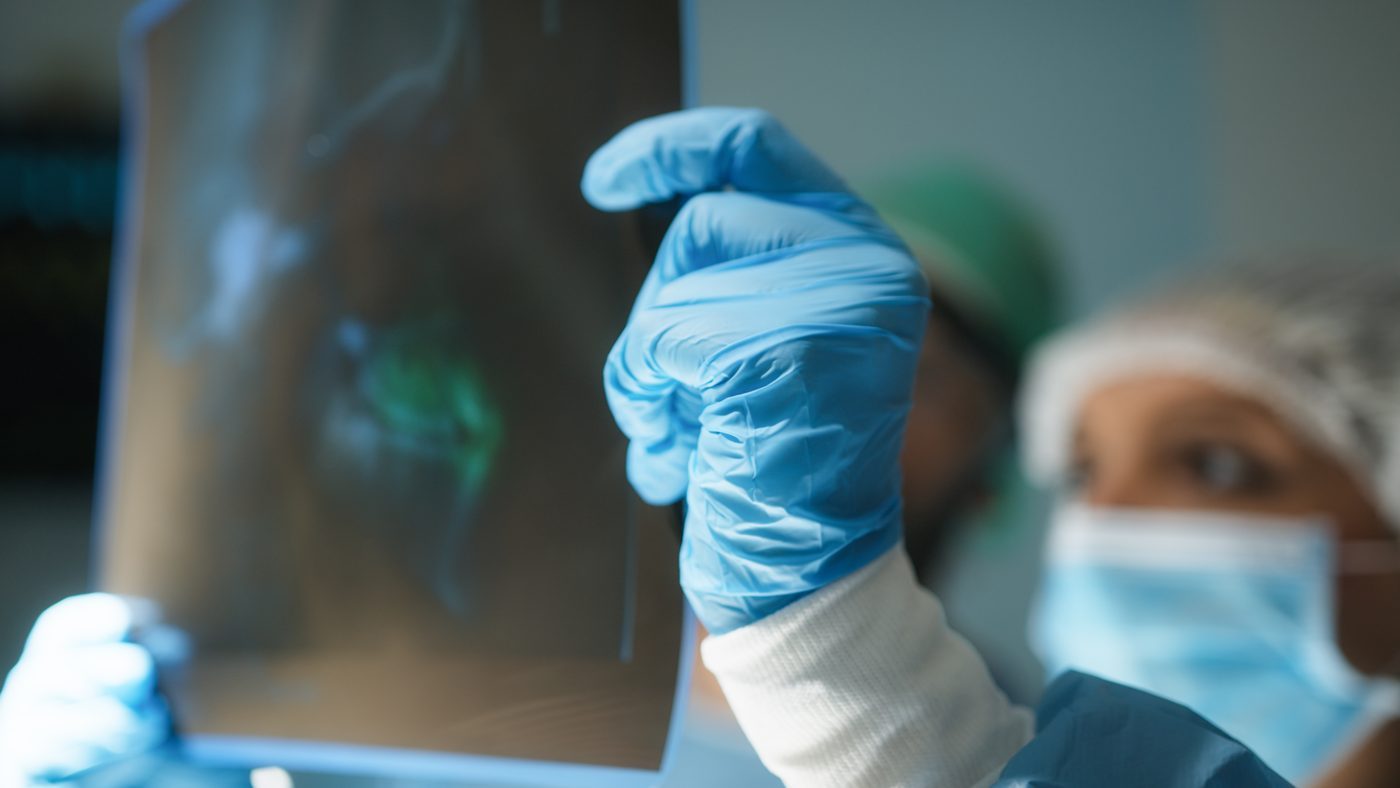
X-Ray
Digital X-ray uses a small, controlled amount of radiation to create images of bones, the chest and other parts of the body. It is one of the fastest ways to look for fractures, joint problems and chest conditions.
Common uses
What to expect: Most X-ray exams take only a few minutes. You may be asked to remove jewelry or change into a gown.
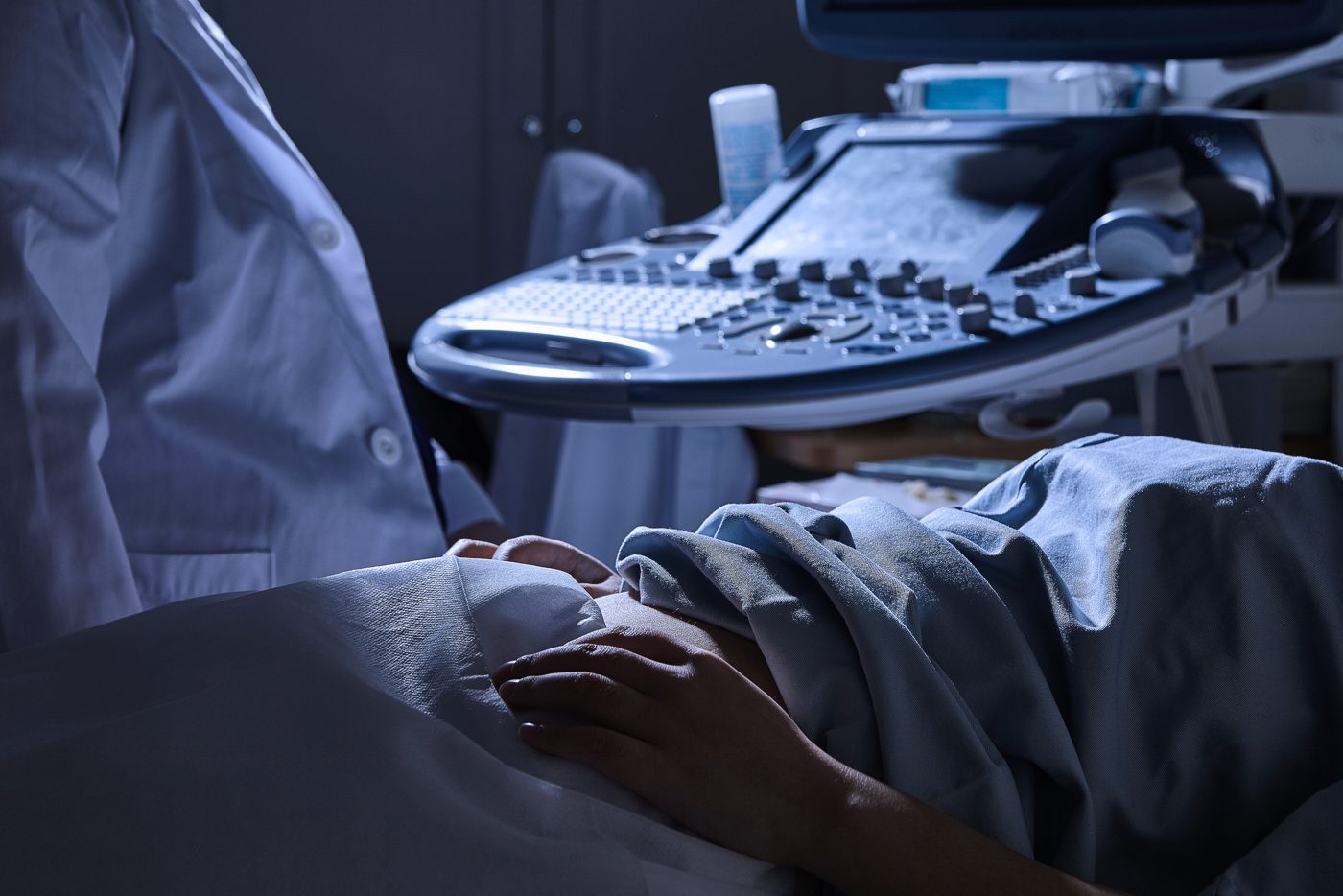
Ultrasound
Ultrasound uses sound waves, not radiation, to create real-time images of organs, soft tissue and blood vessels.
Common uses
What to expect: Some exams require fasting or a full bladder. We will give you any preparation instructions when you schedule.
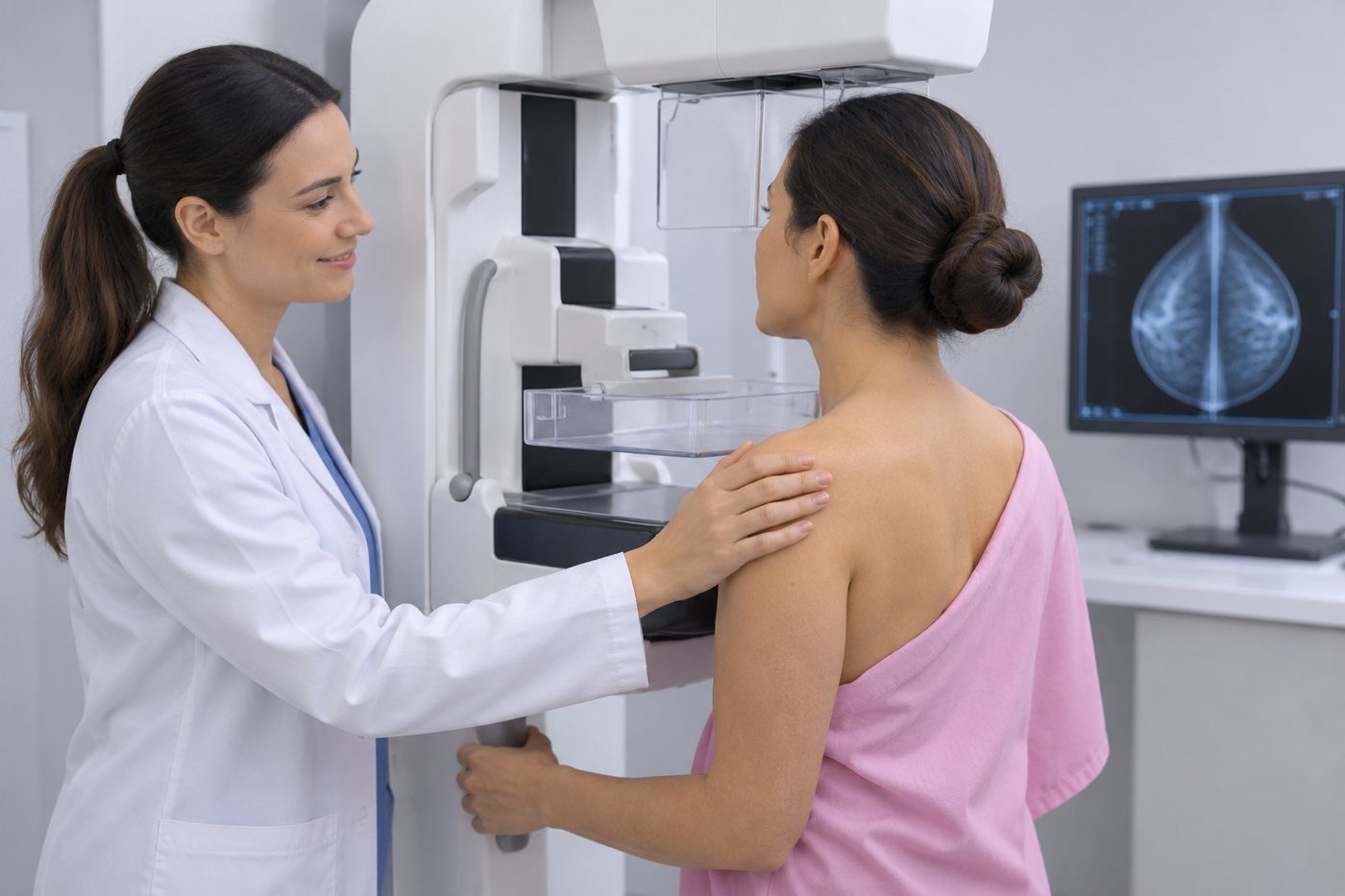
Mammograms
Mammography uses low-dose X-rays to image breast tissue, for routine screening and for diagnostic follow-up when your doctor needs a closer look.
Common uses
What to expect: On the day of your exam, please avoid deodorant, powder or lotion on your chest and underarms.
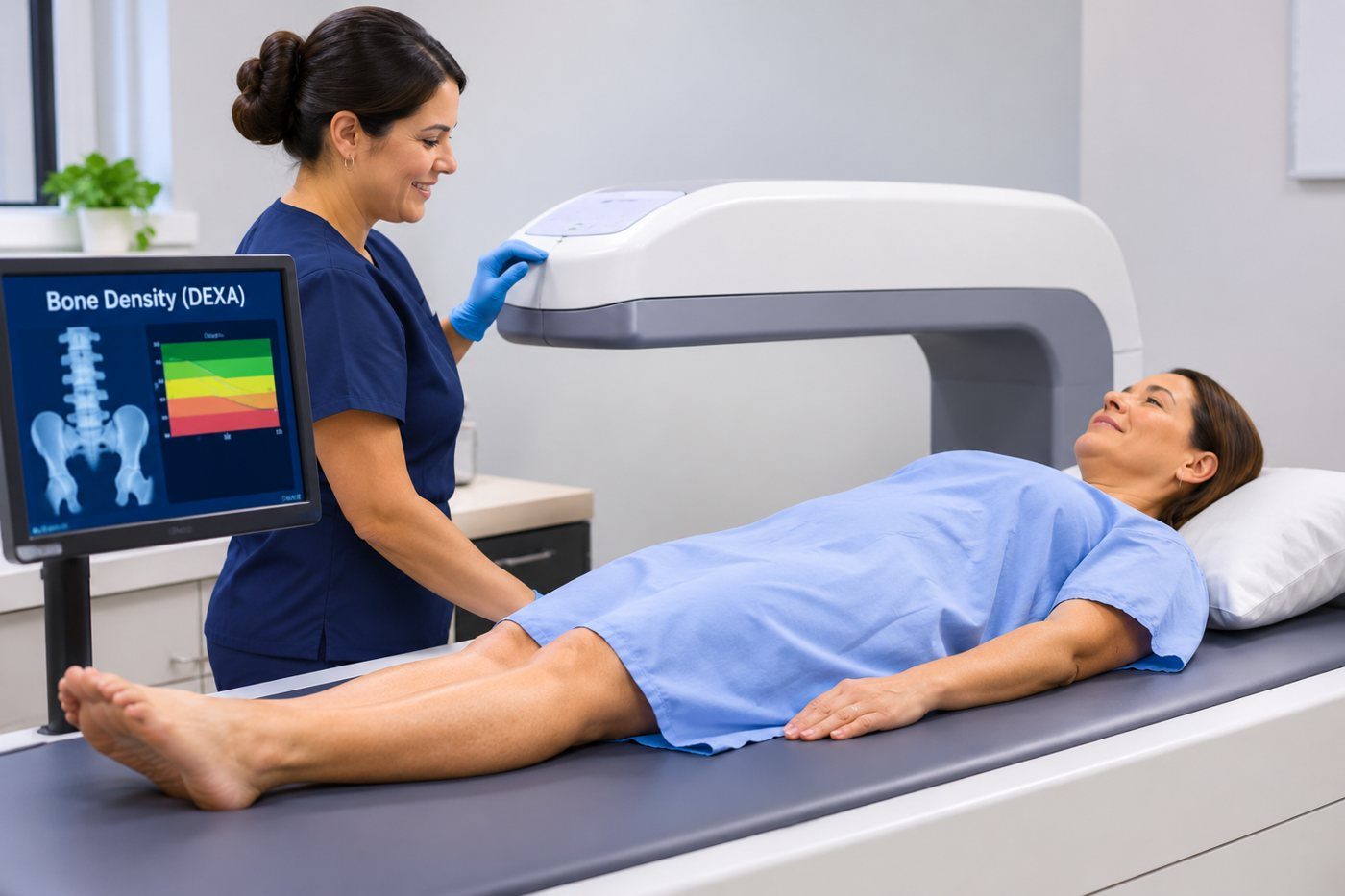
Bone Density / DEXA
A DEXA scan is a quick, low-dose exam that measures bone mineral density, usually at the hip and spine, to check for osteoporosis and fracture risk.
Common uses
What to expect: The scan is painless and you stay fully clothed in most cases. Avoid metal zippers or buttons if you can.
Fluoroscopy
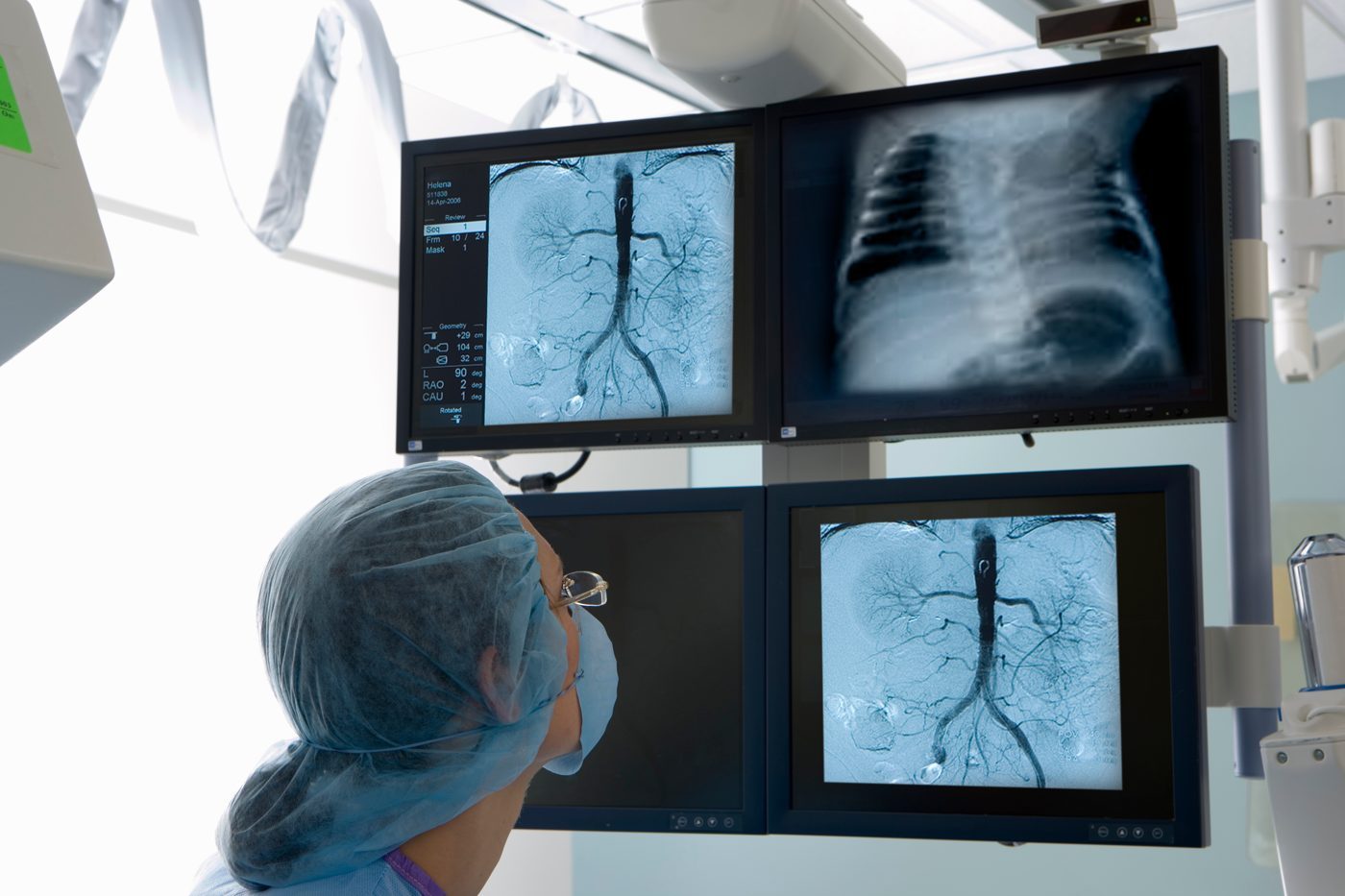
Fluoroscopy is a continuous X-ray that lets the radiologist watch structures inside the body in real time. We also perform hysterosalpingograms (HSG), an exam of the uterus and fallopian tubes.
Common uses
What to expect: Our team will explain the exam and any preparation in advance, in English or Spanish.
Biopsies
Image-guided biopsies use imaging to guide a thin needle to the exact spot, so a small tissue sample can be taken for diagnosis, usually without surgery. Procedures are performed by Dr. Singh, whose background includes vascular and interventional radiology.
Common uses
What to expect: We will review your medications and give you detailed instructions before your procedure.
CT Scan
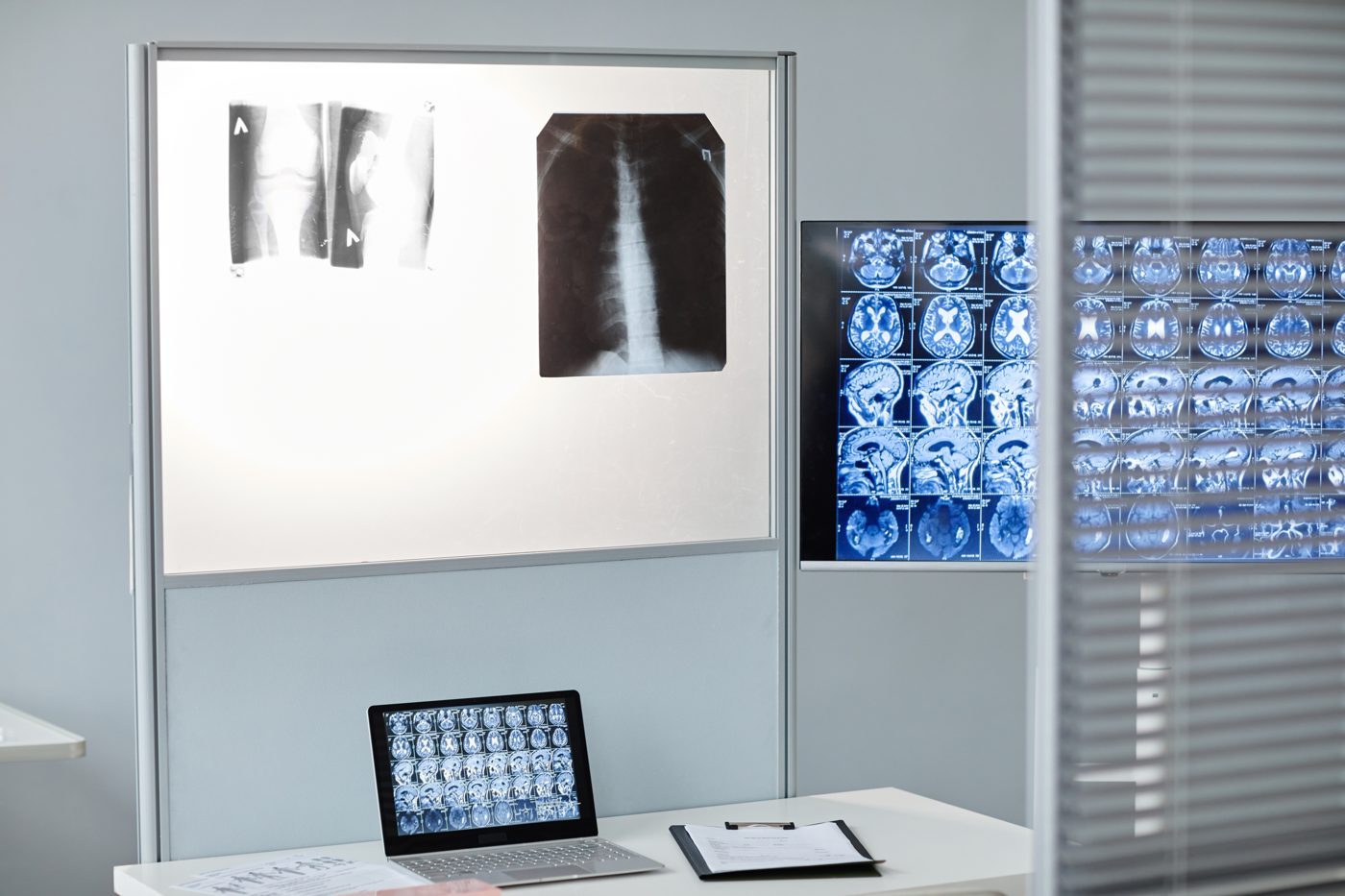
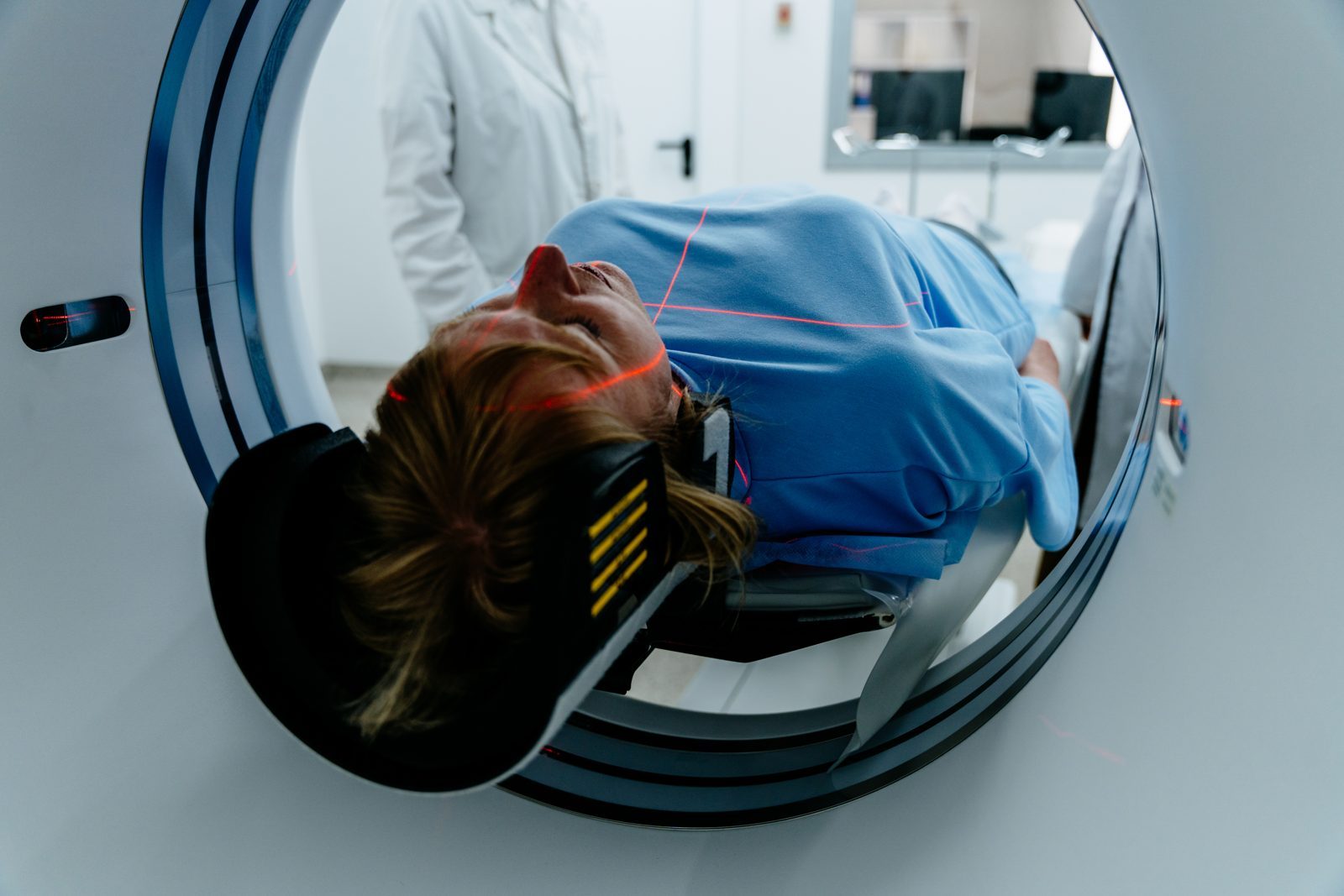
Computed tomography (CT) combines X-rays with computer processing to create detailed cross-sectional images of the body in just minutes.
Common uses
What to expect: Some CT scans use contrast. If yours does, we will let you know how to prepare.
Have your doctor’s order ready
Most exams require an order from your doctor. Call us and our bilingual team will help you schedule and explain any preparation.